-
 Enhancing Cleaning Standards: The Superior Performance of Ultrasonic Cleaners
Introduction Maintaining impeccable cleanliness is critical across industries, from healthcare to manufacturing. Traditional cleaning methods, while effective in some scenarios, often fall short when addressing intricate geometries, hard-to-reach areas
-
 Ultrasonic Cleaning Equipment: The Optimal Choice for Cleaning Plastic Molds
Plastic molds play a crucial role in the manufacturing industry, producing a wide array of plastic products used in everyday life. Maintaining these molds is essential to ensure the quality and precision of the produced items. Traditional cleaning methods
-
 The Application of Ultrasonic Vibration Rods in Optical Devices
Optical devices, including lenses, mirrors, and various optical components, are fundamental in numerous industries such as photography, microscopy, and telecommunications. These devices require meticulous maintenance to preserve their functionality and pr
-
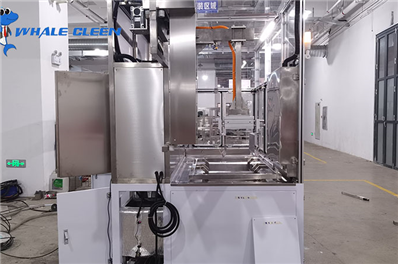 What is a Nano Ultrasonic Cleaning Machine? An In-depth Overview
1. Introduction Ultrasonic cleaning technology has been widely used in various industries for cleaning delicate and complex parts. From jewelry and precision instruments to medical devices and automotive components, ultrasonic cleaners offer high effic
-
 The Effectiveness of Ultrasonic Vibration Plates in Cleaning Aerospace Components
The aerospace industry demands the highest standards of cleanliness for its components. Any contamination, even at microscopic levels, can compromise the performance and safety of aerospace equipment. Traditional cleaning methods often fall short in meeti
-
 Stuck with Grinding Dust Embedded in Batch Workpiece Crevices? Manual Cleaning Is Draining Your Labor Budget and Driving Production Costs Through the Roof
Walk into any metalworking shop, stamping plant, or machining facility, and you will see the same scene repeated shift after shift: workers hunched over parts bins, scrubbing with brushes, picking at crevices with picks, blowing compressed air into blind
-
 Same Ultrasonic Cleaning, Why Are Some Aerospace Fastener Yield Rates So Much Higher?
In aerospace manufacturing, few quality metrics are as unforgiving as fastener cleanliness. A single micro-fastener — a titanium alloy bolt, a high-strength steel screw, a threaded insert — can carry cutting fluids, lapping compounds, or microscopic metal
-
 How Ultrasonic Cleaning Reaches the Thread Roots of Micro-Fasteners for Deep Chip and Oil Removal
In precision manufacturing, few challenges are as persistent—or as costly—as cleaning micro-fasteners. Screws, bolts, and threaded inserts with diameters under M2 feature intricate geometries: narrow thread valleys, blind holes, and sharp internal corners
-
 Ultrasonic Cleaning Machine: Solving the Batch Cleanliness Inconsistency Crisis in Aerospace Fastener Manufacturing
In aerospace manufacturing, a single contaminated fastener can compromise an entire assembly. Threaded surfaces trap machining oils, metal chips, and microscopic particulates that, if not completely removed, directly affect torque values, joint integrity,
-
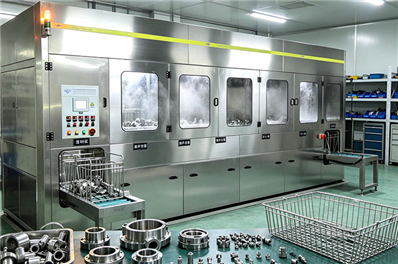 Industrial Ultrasonic Cleaning Machine: The Complete Solution for Manufacturing Precision Parts
In modern manufacturing, surface cleanliness is not merely an aesthetic consideration—it is a critical factor that directly impacts product performance, coating adhesion, and overall production yield. From automotive engine components and transmission par
-
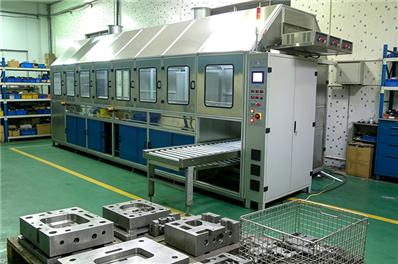 No Harsh Chemicals? How to Achieve Micron-Level Cleanliness for Nickel-Plated Substrates
You've dialed in the nickel plating bath chemistry. The temperature is right, the current density is optimized, and the dwell time is precisely controlled. Yet the plating still blisters. The cross-hatch test fails. The adhesion just isn't there.T
-
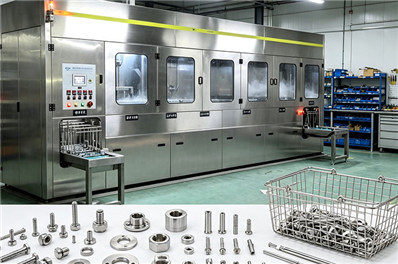 Breaking the Cleaning Bottleneck in Nickel and Gold Plating Lines with Whale cleen Ultrasonic Technology
In high-value surface finishing shops, nickel and gold plating lines demand the highest levels of surface cleanliness. A single fingerprint, a microscopic film of stamping oil, or a speck of polishing compound left on a component will manifest as blisteri